
10 Signs of Depression in Children: Spot Them Early
Learn the 10 key signs of depression in children, including irritability, sleep changes, and social withdrawal. Early recognition of childhood depression symptoms can lead to timely help—tips for parents inside.
10 Signs of Depression in Children: What Parents Need to Know
As parents or caregivers, it's heartbreaking to think that our kids might be struggling with something as heavy as depression. But the truth is, childhood depression is more common than many realize, affecting kids as young as preschool age. Unlike adults, children might not always have the words to express their feelings, so their symptoms can show up in unexpected ways—like sudden mood swings or changes in behavior. Spotting these early signs of depression in children can make a huge difference, allowing for timely support and intervention. Remember, this isn't about diagnosing on your own; if you notice these patterns, it's always best to consult a pediatrician or mental health professional. Let's break down some key indicators based on what experts have observed.
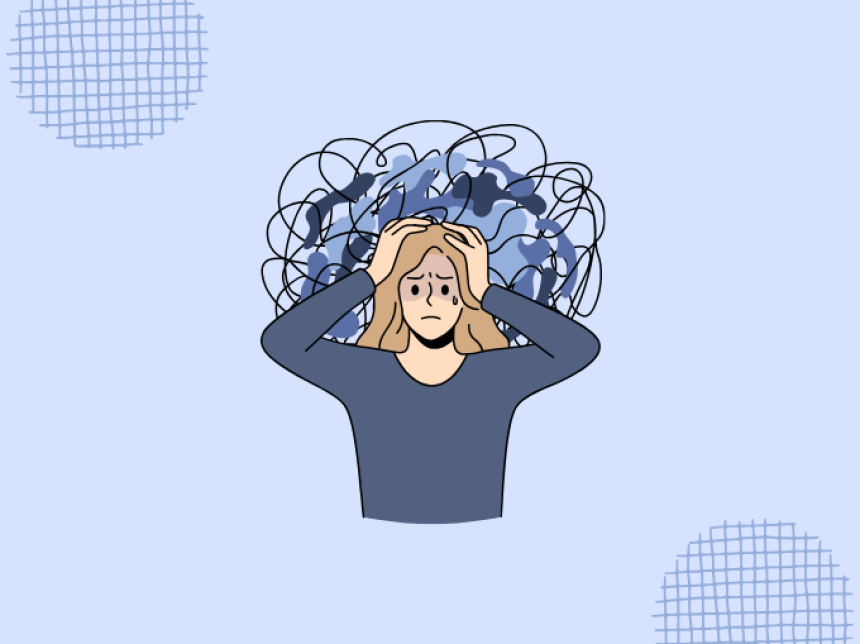
- Persistent Sadness or Hopelessness Kids dealing with depression often seem down for weeks or even months, without a clear reason. They might cry more easily, express feelings of worthlessness, or talk about how nothing matters anymore. This isn't just a bad day—it's a lingering cloud that affects their outlook on life. For instance, a child who used to be excited about school might start saying things like "I'm no good at anything."
- Irritability or Anger Outbursts While we often picture depression as quiet sadness, in children it can look like frustration or quick-tempered reactions. They might snap at siblings, throw tantrums over small things, or seem constantly on edge. This irritability can stem from inner turmoil they can't quite articulate, making everyday interactions feel overwhelming.
- Loss of Interest in Favorite Activities If your child suddenly stops enjoying hobbies they once loved—like playing sports, drawing, or hanging out with friends—it could be a red flag. This withdrawal, known as anhedonia, means they're not getting pleasure from things that used to light them up. It's like the spark has gone out, and they might spend more time alone in their room instead.
- Changes in Appetite or Weight Depression can mess with eating habits, leading to either overeating for comfort or a complete loss of appetite. You might notice unexplained weight gain or loss, or complaints about food tasting "off." In younger kids, this could show up as picky eating that goes beyond the usual phase.
- Sleep Disturbances Trouble falling asleep, waking up frequently, or sleeping way more than usual are common signs. A child might complain of nightmares or feel exhausted even after a full night's rest. Oversleeping during the day or resisting bedtime routines can disrupt their whole schedule, affecting school performance too.
- Fatigue and Low Energy Even simple tasks can feel draining for a depressed child. They might move slower, complain of being tired all the time, or avoid physical activities. This isn't laziness—it's a genuine lack of energy that makes everything from getting dressed to playing outside seem like a chore.
- Difficulty Concentrating or Making Decisions Schoolwork might suffer as focus slips away. Kids could forget homework, zone out during class, or struggle with decisions as basic as what to wear. This cognitive fog can lead to dropping grades or frustration with tasks they used to handle easily.
- Social Withdrawal Pulling away from friends and family is a big clue. A once-social child might skip playdates, avoid group activities, or seem uninterested in interactions. They could feel like they're a burden or just prefer isolation, which only deepens the cycle of loneliness.
- Physical Complaints Without Clear Cause Headaches, stomachaches, or other aches that don't have a medical explanation can be linked to depression. Kids might use these as a way to express emotional pain when words fail them. If doctor visits keep coming up empty, it might be time to consider mental health.
- Thoughts of Death or Self-Harm This is the most serious sign—kids might talk about dying, hurting themselves, or show fascination with death in drawings or play. Even subtle comments like "I wish I wasn't here" should never be ignored. Immediate professional help is crucial here to ensure their safety.
Recognizing these childhood depression symptoms isn't about labeling your child; it's about opening the door to help. Factors like family history, bullying, or major life changes can contribute, but early action—through therapy, lifestyle adjustments, or sometimes medication—can turn things around. Organizations like the American Academy of Pediatrics or local mental health services offer great resources. If you're concerned, reach out to a trusted expert today; you're not alone in this, and neither is your child.