
How to Overcome Depression: Effective Strategies, Causes, and Long-Term Solutions
Struggling with depression? Learn how to overcome depression with proven strategies, explore common causes, and discover long-term solutions for mental health recovery. Expert insights and practical tips await!
Depression affects millions worldwide, impacting daily life, relationships, and overall well-being. If you're searching for ways to overcome depression, understanding its causes and implementing proven strategies can lead to meaningful recovery. In this comprehensive guide, we'll explore the psychological foundations of depression, evidence-based coping methods, and long-term solutions for a healthier mind.
What Is Depression? Understanding the Basics
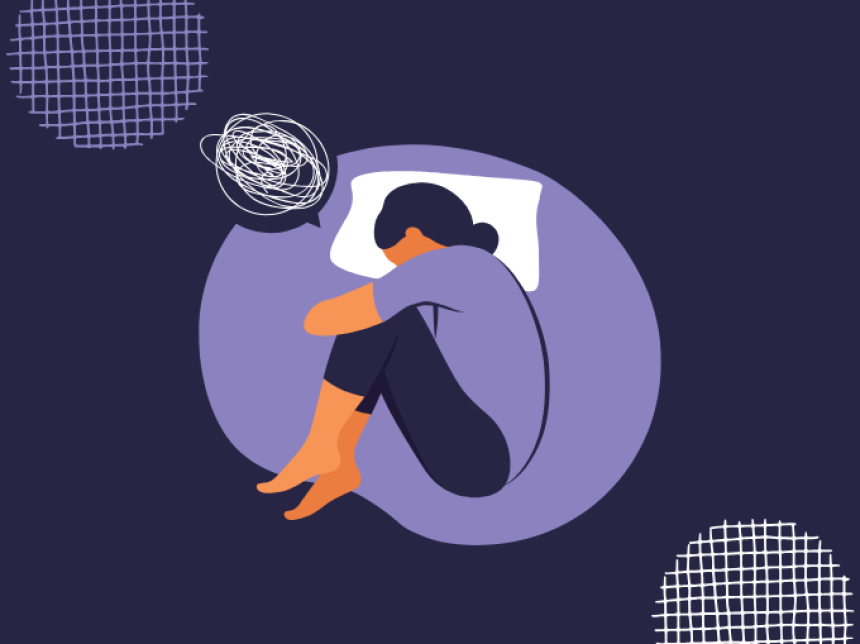
Depression, or major depressive disorder, is more than just feeling sad—it's a persistent mental health condition characterized by low mood, loss of interest in activities, fatigue, and changes in appetite or sleep. According to psychological research, depression stems from a mix of biological, environmental, and cognitive factors. Key symptoms include:
- Persistent sadness or emptiness
- Hopelessness and irritability
- Difficulty concentrating or making decisions
- Physical aches without clear cause
Recognizing these signs early is crucial for overcoming depression effectively.
Common Causes of Depression: Psychological and Biological Insights
To overcome depression, it's essential to identify its roots. Psychological theories like cognitive behavioral models suggest negative thought patterns play a role, while biological factors include neurotransmitter imbalances (e.g., serotonin and dopamine). Common triggers include:
1. Genetic Predisposition: Family history increases risk by 2-3 times.
2. Stressful Life Events: Loss, trauma, or chronic stress can trigger episodes.
3. Brain Chemistry: Imbalances in the limbic system affect mood regulation.
4. Lifestyle Factors: Poor diet, lack of exercise, or substance use exacerbate symptoms.
Understanding these causes helps tailor personalized strategies to overcome depression.
10 Effective Strategies to Overcome Depression in Daily Life
Overcoming depression requires actionable steps. Here are evidence-based techniques drawn from cognitive-behavioral therapy (CBT), mindfulness, and positive psychology:
1. Seek Professional Help: Therapy, such as CBT or interpersonal therapy, is a cornerstone for overcoming depression. Medications like SSRIs may be prescribed for severe cases.
2. Build a Support Network: Talk to friends, family, or join support groups. Social connections reduce isolation and provide emotional relief.
3. Exercise Regularly: Physical activity boosts endorphins. Aim for 30 minutes of walking or yoga daily to combat depression symptoms.
4. Practice Mindfulness and Meditation: Techniques like mindful breathing can rewire negative thought patterns. Apps like Headspace offer guided sessions for beginners.
5. Challenge Negative Thoughts: Use journaling to identify and reframe pessimistic beliefs, a key CBT method for overcoming depression.
6. Improve Sleep Hygiene: Maintain a consistent sleep schedule. Avoid screens before bed to regulate circadian rhythms.
7. Adopt a Balanced Diet: Foods rich in omega-3s (e.g., salmon) and vitamins (e.g., leafy greens) support brain health and mood stability.
8. Set Small Goals: Break tasks into achievable steps to build momentum and a sense of accomplishment.
9. Engage in Hobbies: Rediscover activities you once enjoyed to reignite interest and purpose.
10. Limit Alcohol and Caffeine: These can worsen anxiety and sleep issues tied to depression.
Implementing these strategies consistently can lead to noticeable improvements within weeks.
Long-Term Solutions: Building Resilience Against Depression
For lasting recovery, focus on preventive measures:
- Develop Emotional Regulation Skills: Learn to manage emotions through techniques like progressive muscle relaxation.
- Foster Psychological Resilience: Build coping mechanisms via therapy or self-help books on positive psychology.
- Monitor and Adjust: Track mood in a journal and consult professionals for ongoing support.
- Explore Holistic Approaches: Acupuncture or nature therapy can complement traditional methods.
Remember, overcoming depression is a journey—patience and persistence are key.
When to Seek Immediate Help
If thoughts of self-harm arise, contact a hotline like the National Suicide Prevention Lifeline (1-800-273-8255) immediately. Professional intervention is vital.
By addressing the causes of depression and applying these strategies, you can reclaim control over your mental health. Share your experiences in the comments below—what's helped you overcome depression?